

The Search Evolution: Balancing Clicks and AI Recommendations
If you’ve been running a law firm for any length of time, you know the power of showing up on Google. But traditional search results are no longer the only place for users to seek answers. Prospective clients are using new tools to find legal answers: ChatGPT, Perplexity, and Google’s AI Overviews. These platforms are additional players in the search space that decide which firms get recommended. The question in 2026 isn’t whether to invest in search marketing, but which kind deserves your budget.
This guide breaks down the GEO vs. SEO debate, explains why SEO for lawyers still matters, and shows you how to position your firm on both fronts.
The Great Search Divergence of 2026
For years, ranking #1 on Google was the main objective, and for good reason. Top positions reliably drove new cases. That landscape has now shifted: Gartner predicts a 25% drop in traditional search volume as AI-powered “Answer Engines” take over queries that used to go to standard blue links.
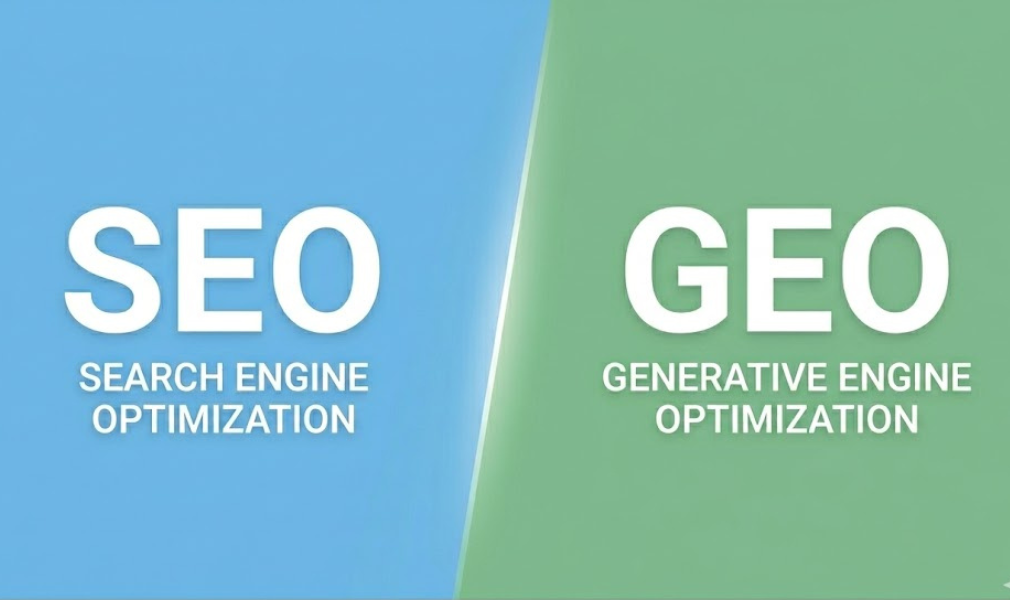
In this new world, SEO (Search Engine Optimization) is still about ranking your website in traditional results. GEO (Generative Engine Optimization) focuses on structuring your digital presence so AI platforms like ChatGPT and Google AI Overviews name your firm in their answers, turning you into the recommended option instead of just another link.
The stakes for law firms are high: 77% of legal queries now trigger AI-generated summaries at the top of the page, sitting above the classic results. If your firm isn’t in that AI answer, you disappear for a growing share of prospects. At the same time, a large portion of Google searches now end without any click at all, because users get what they need directly on the results page. Simply “ranking” is no longer enough.
SEO: The Foundation of Trust and Traffic
The Case for SEO
Law firm SEO isn’t going anywhere in 2026. Traditional optimization remains the top driver of high-intent leads. By continuing to optimize for key searches in your niche, SEO captures the attention of potential clients at the exact moment they need legal help. From there, they are directed to your website, where you control the narrative, showcase your expertise, and convert them into consultations. No AI chatbot can replicate the trust built when a prospect spends time reading your case results, attorney bios, and client testimonials on your own site.
AI search for law firms is growing fast, but the searcher who clicks through and picks up the phone remains your highest-value lead. Organic search still generates some of the most qualified leads across virtually every practice area, often outperforming paid channels on cost per acquisition and close rates.
Technical Performance

In 2026, technical SEO performance is the baseline. Google’s Core Web Vitals continue to weigh heavily in rankings, emphasizing speed, stability, and responsiveness. AI systems increasingly prioritize websites that deliver excellent user experiences as well. Sub-second load times and mobile-first architecture are non-negotiable for what Google calls “Experience” signals in E-E-A-T.
Your site should target a Largest Contentful Paint under 2.5 seconds, maintain a CLS score below 0.1, and deliver seamless mobile responsiveness with touch-friendly interfaces. A slow, clunky site actively pushes prospects toward your competitor’s faster, cleaner presence. While these signals are traditionally SEO, Google and AI systems alike rely on technical performance to determine whether or not your firm is trustworthy enough to recommend.
Local Dominance
The Google Map Pack is still 100% SEO-driven. Those top three local listings with star ratings, phone numbers, and directions are determined entirely by traditional local SEO signals:
- Google Business Profile optimization
- NAP (Name, Address, Phone) consistency
- Review velocity
- Local citation accuracy

AI Overviews don’t replace the Map Pack; they appear alongside it in many local-intent SERPs. For “near me” inquiries, which represent a massive share of legal searches, Map Pack visibility remains the single most powerful lead generator for many firms. Studies show that only a minority of strictly local queries currently trigger AI Overviews, which means local SEO dominance is still relatively insulated from some of the AI disruption reshaping broader informational queries.
The Conversion Moat

Your website is your closer. Once a prospect arrives, despite where they originated from, your site is where the conversion happens. Optimized landing pages, compelling calls-to-action, client testimonials, and streamlined intake forms are what turn traffic into signed retainers. Search interfaces drive qualified visitors to your digital front door and your website closes the deal. Both are powered by traditional SEO. The same content that earns rankings and citations also earns confidence with users on your website. Technical optimizations that meet Google’s ranking criteria also ensure seamless navigation and optimized contact flows.
GEO: Winning the AI Recommendation
Optimizing for Citations
The shift to law firm GEO represents a fundamental change in how visibility works. AI doesn’t look for keywords the way Google’s traditional algorithm does. Instead, it looks for entities, trusted authorities that are consistently referenced across the web. An entity is your firm’s identity: its name, practice areas, attorney credentials, location, and reputation as AI systems understand it.
When that entity data is clear, consistent, and widely corroborated across authoritative sources, AI models treat you as a credible source worth citing. “Entity clarity” means ensuring your name, expertise, and location are identical across every directory, news mention, bar listing, and social profile. This practice has become the cornerstone of effective GEO strategy.
Semantic Structure
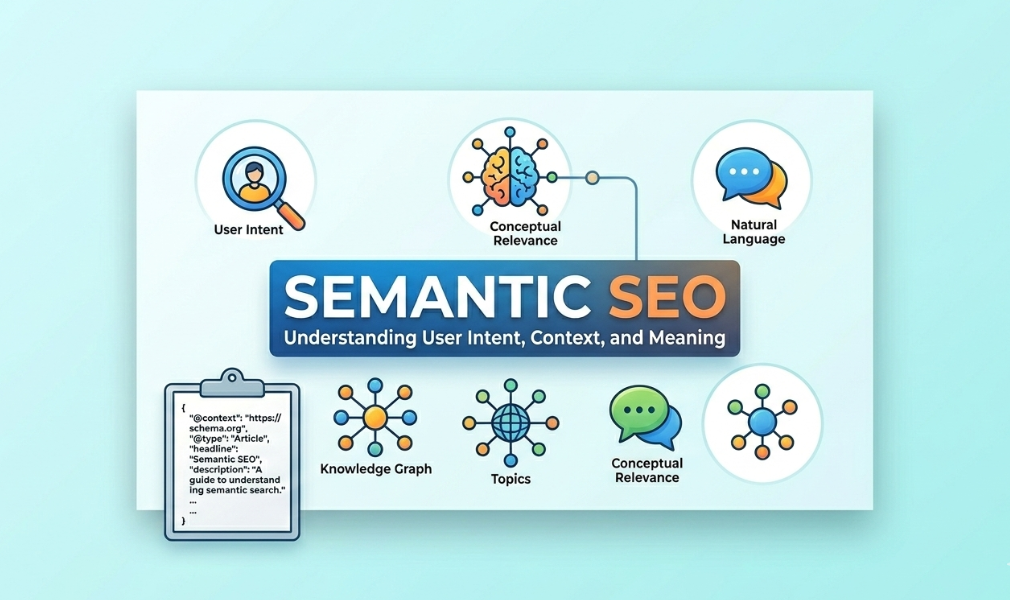
AI platforms don’t just crawl and regurgitate your content, they read, interpret, aggregate the information, and derive insights. Structuring content with natural language, direct-answer formatting, and clear semantic organization dramatically increases your chances of being cited in AI-generated responses. Think of it as becoming the “featured snippet” of the AI world.
Use conversational Q&A formatting, front-load your answers in the first sentence of each section, and organize content with headings that match how real people ask legal questions. Schema markup, structured data that helps machines understand your content, is equally critical. Attorney schema, legal service schema, and FAQ schema all feed AI systems the structured information they need to recommend your firm confidently.
The “Zero-Click” Reality
Zero-click search is where users get their answer without ever visiting a website. When a potential client asks ChatGPT, “Who is the best medical malpractice lawyer in Chicago?” the AI doesn’t display ten blue links. It synthesizes information from across the web and delivers a direct recommendation, often citing specific firms by name. This is law firm GEO at its core: positioning your practice so AI platforms recognize you as the authoritative answer in your market.
The Power of Earned Media
In the GEO era, earned media mentions on high-authority news sites, legal journals, and industry publications carry more weight than ever. AI models are trained on the same authoritative sources Google trusts. A mention in a respected legal publication, a quote in a local news article about a landmark case, or a feature in a national directory feeds the AI training data and retrieval systems that determine which firms get recommended.
The Hybrid Investment Strategy

The GEO vs SEO for business debate is a false dilemma. You can’t build strong GEO without a strong SEO foundation, because AI systems lean on the same sites and authority signals that traditional search engines already trust. If your site doesn’t rank or demonstrate expertise organically, it’s far less likely to be cited in AI answers, so SEO acts as the infrastructure while GEO becomes the amplification layer on top.
For most law firms, a 70/30 split is a smart starting point. Keep about 70% of your digital marketing budget focused on SEO to drive immediate leads through Map Pack rankings, practice area pages, and technical improvements. For the other 30%, invest into a GEO budget that powers entity optimization, schema markup, earned media, and AI visibility monitoring, all of which future‑proof the future of SEO for lawyers as AI search adoption accelerates.
Why Blue Media Marketing Law is Your Dual-Front Partner
The firms winning in 2026 aren’t choosing between SEO and GEO; they’re partnering with an agency that masters both. Blue Media Marketing Law focuses specifically on law firm SEO 2026 and GEO, aligning technical performance, content strategy, and entity optimization around how real clients search and how AI systems evaluate legal brands. The team tracks the evolving behavior of AI Overviews, legal directories, and conversational agents, staying on top of best practice.
Blue Media was among the early adopters to pioneer law firm GEO strategies tailored to attorneys and legal practices, integrating traditional authority-building with AI-focused tactics like structured data, entity cleanup, and AI-mention monitoring. Our content is engineered to satisfy Google crawlers as well as LLMs such as OpenAI, Gemini, Perplexity, and other emerging legal discovery channels. With exclusive territory protection, once you’re a client we won’t partner with another firm in your same market, giving you an undivided competitive advantage.