#1. Family Law Keyword and Competitor Research
#2. Practice-Area Page Optimization
#3. Local SEO for Family Law Firms
#4. Family Law Content Development
#5. Technical SEO and Website Improvements
#6. Relevant Authority and Link Development
#7. Reporting and Ongoing Optimization
#1. Family Law Keyword and Competitor Research
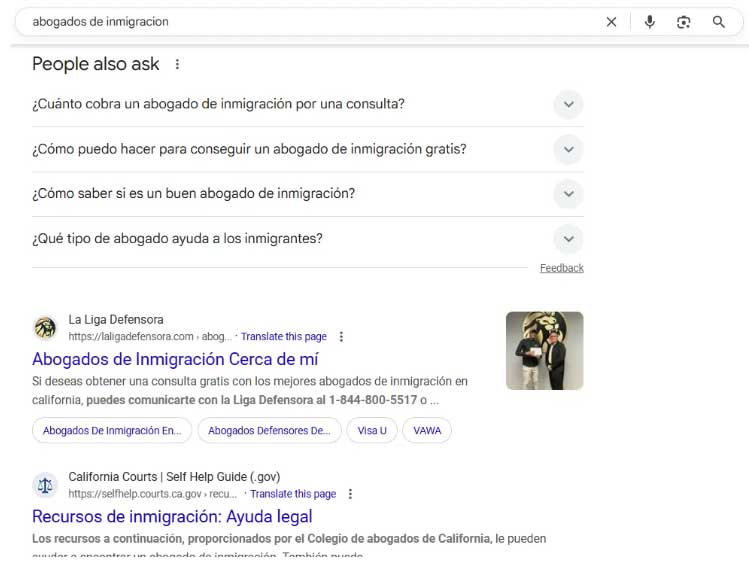
We examine representation searches, related client questions, and geographic opportunities alongside the firms appearing for them. Divorce, custody, and support searches need to be evaluated against your actual services.
The research becomes a keyword-to-page plan showing where existing pages need improvement, where distinct service coverage is missing, and which questions warrant supporting articles. That plan gives your firm a clear reason for each recommended content investment.
#2. Practice-Area Page Optimization
Your service pages need to explain the work offered and help visitors assess the attorneys handling it. We review divorce, custody, support, and other relevant pages for service clarity, geographic relevance, and contact options.
Changes can include titles, headings, internal links, attorney information, and consultation instructions. The deliverable is a prioritized set of page improvements, with new pages identified where existing coverage cannot adequately address a separate hiring need.
#3. Local SEO for Family Law Firms
Local work covers Google Business Profile information, business listings, review support, and appropriate location content. Office details and services need to match the firm’s actual operations.
For one office, priorities concentrate on that location and its intended market. Multiple offices require location-specific assessments and coordinated website coverage. The campaign identifies profile changes, listing corrections, and page recommendations, with responsibilities established for review requests and public responses.
#4. Family Law Content Development
We plan topics around your services, research findings, and questions received by intake. Content can include service-page revisions, educational articles, and updates to existing resources.
Your designated attorney reviews legal substance and approves publication. The content plan identifies what will be written, the information needed from your team, and material requiring future review. Jurisdiction and sensitive subject matter are addressed during production rather than left for a final proofreading pass.
#5. Technical SEO and Website Improvements
We investigate issues affecting how search engines access the website and how visitors use it. Priorities can include indexing, navigation, broken links, mobile performance, and contact functionality.
The technical action list separates necessary fixes from larger development projects. Implementation follows the agreed responsibilities, including work requiring your developer. Our technical SEO services for law firms explain the broader scope.
#6. Relevant Authority and Link Development
Authority work evaluates appropriate legal listings and opportunities connected to your firm’s experience, professional relationships, and community involvement.
The agreed scope identifies the methods being used and the outreach activity to document. Your attorneys may supply background or expertise for relevant contributions. Publishers control acceptance, so the campaign should not promise specific placements or link quantities.
#7. Reporting and Ongoing Optimization
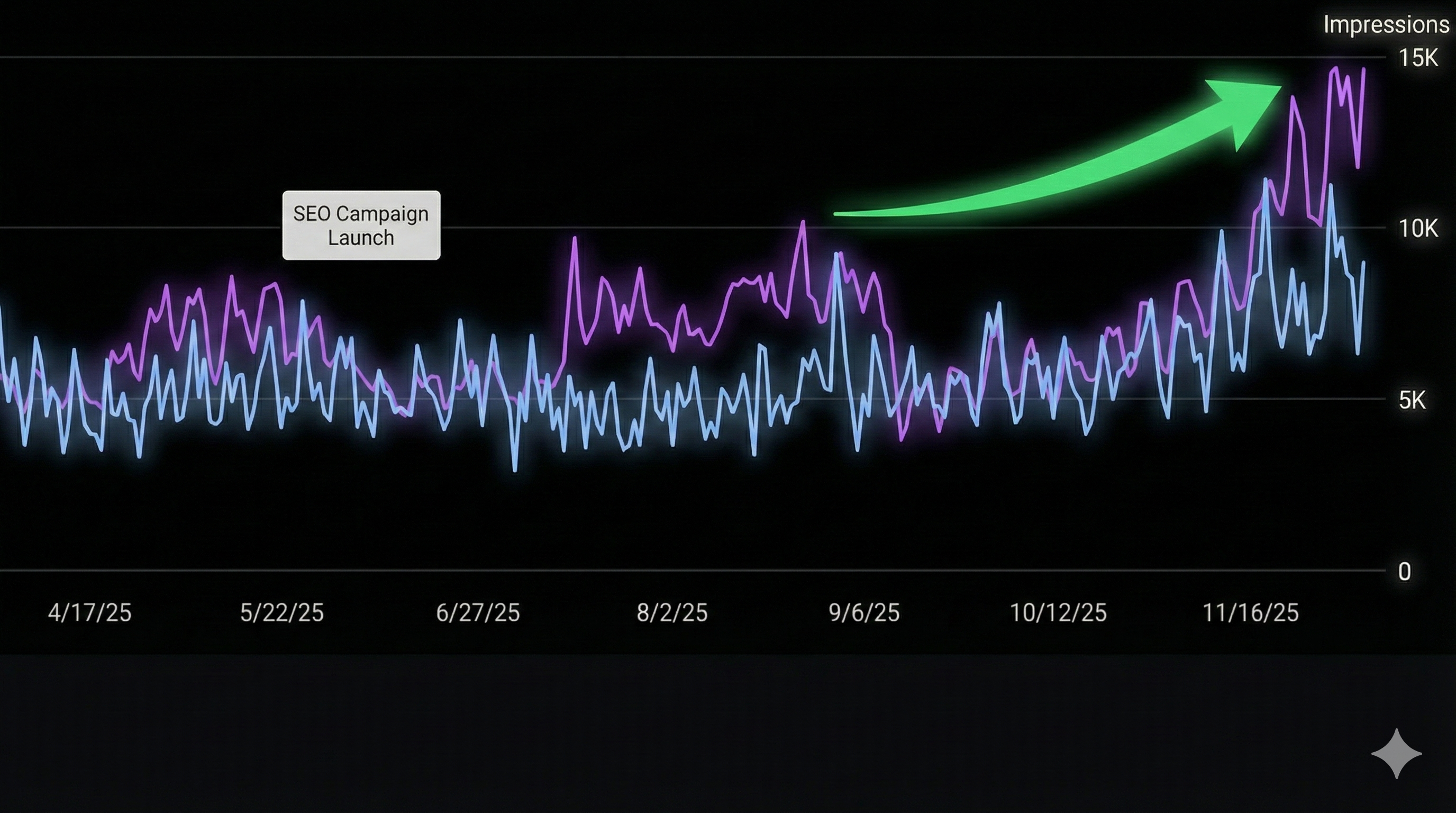
Campaign reporting brings together completed work, relevant search performance, and available inquiry information. Your firm should be able to see which pages changed and what the next recommendations address.
Intake feedback adds commercial context. If inquiries concern services you do not provide, or desired matters remain underrepresented, those findings help refine targeting and content priorities.