


Dominating Local Search: Turning Map Views into Signed Retainers
The Death of the General Search
In 2026, over 60% of legal searches happen on mobile with explicit “near me” intent. Potential clients are no longer typing broad queries into a desktop browser and scrolling through pages of results. They are standing in hospital waiting rooms, sitting in tow-truck passenger seats, or pacing their kitchen after receiving difficult news, and they are asking Google one urgent question: “Who can help me right now, right here?” If your law firm is not appearing in the top three local results, you are effectively invisible to the most motivated leads in your market. The shift is driven by how Google’s local algorithm has evolved. The three pillars of local search — Proximity, Relevance, and Prominence — now lean heavily on local entity signals:- Proximity: Google looks at how physically close your office is to the searcher, then boosts firms whose verified address and service area clearly match that user’s location. Accurate NAP data, a properly configured Google Business Profile, and strong local citations help you win within your proximity radius.
- Relevance: Google evaluates how well your categories, practice area content, reviews, and Q&A align with the specific query a user types or speaks. A focused attorney local search strategy that highlights your core practice areas and local entity signals makes your listing the obvious answer.
- Prominence: Google measures how well-known and trusted your firm is by looking at review volume and quality, mentions across the web, backlinks, and engagement with your profile. When your law firm lead generation engine consistently earns detailed reviews, authoritative links, and strong user actions from the Map Pack (calls, requests for directions, clicks), you are more likely to be displayed in a top result.
Optimizing the Google Business Profile for 2026
Your Google Business Profile (GBP) is the single most important asset in your local SEO toolkit. When a potential client searches for legal help nearby, Google pulls directly from your GBP to decide whether your firm appears in local results. A fully optimized profile actively generates leads, builds trust before a prospect visits your website, and sends powerful authority signals to the algorithm.Primary Category Mastery

Review Sentiment & Velocity

The Role of Video in GBP
Video content on your Google Business Profile is a powerful and often overlooked engagement tool. Attorney introduction clips, short educational segments, or even an office tour can increase the time a potential client spends interacting with your profile. This dwell time signals value to Google and reinforces your prominence in local rankings.Q&A Optimization
The Q&A section of your Google Business Profile is an underutilized tool for capturing answer-engine intent. Pre-populate your GBP with the 10 most common questions you hear during consultations, mirroring the exact language potential clients use. Providing clear answers directly on your profile captures prospects early and sends strong relevance signals. Write answers that are thorough but conversational to make complex legal concepts accessible.Localized Content Silos & Proximity Expansion
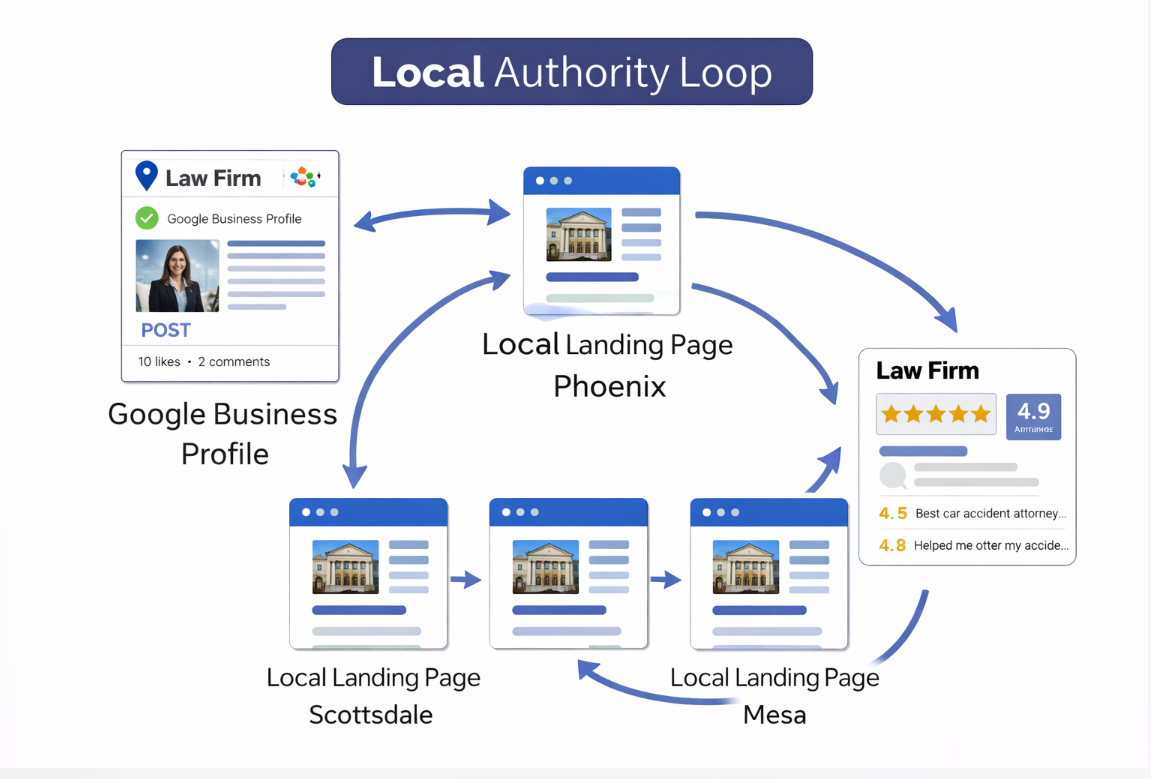
Ranking in the Map Pack for your office’s city is only the starting point. A comprehensive law firm lead generation strategy requires expanding your digital footprint into every suburb and community within your service area. When executed correctly, localized content silos dramatically expand where your firm appears in local search.Hyper-Local Landing Pages
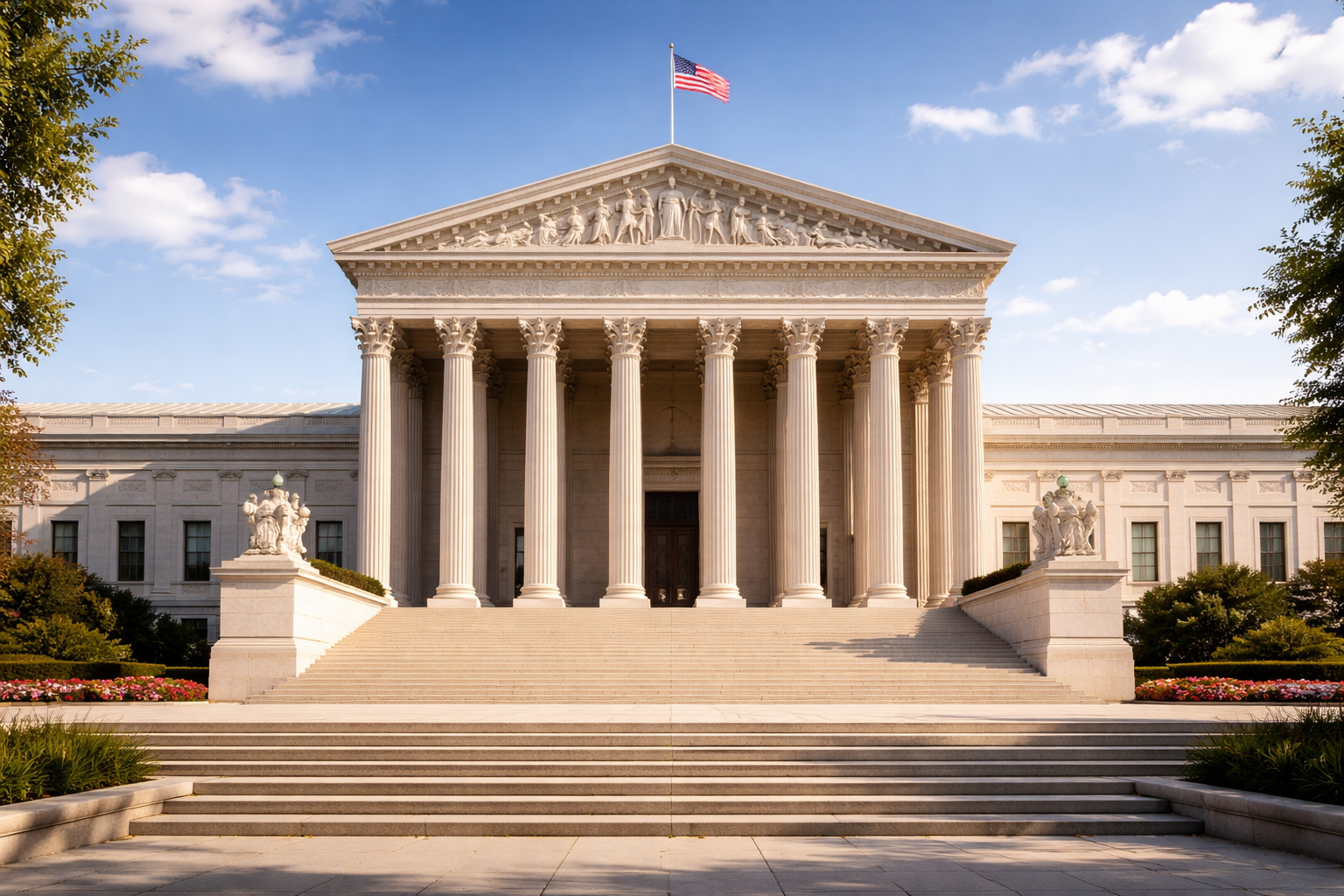
Creating dedicated landing pages for every suburb and neighborhood you serve is one of the most effective ways to expand your ranking footprint. For example, rather than relying on a single “Personal Injury Lawyer in Phoenix” page, build individual pages targeting Scottsdale, Tempe, Mesa, and Chandler. Each page should contain unique content speaking to that community’s legal needs, referencing local statistics and area-specific concerns. Avoid thin, templated pages that simply swap city names. Google’s 2026 algorithm recognizes duplicate content with minor geographic word changes and will penalize you for it. Each hyper-local page should read as a genuinely useful resource for someone in that specific area.The “Courthouse & Landmark” Strategy
Entity-Based Internal Linking
Technical Local SEO: Beyond the NAP
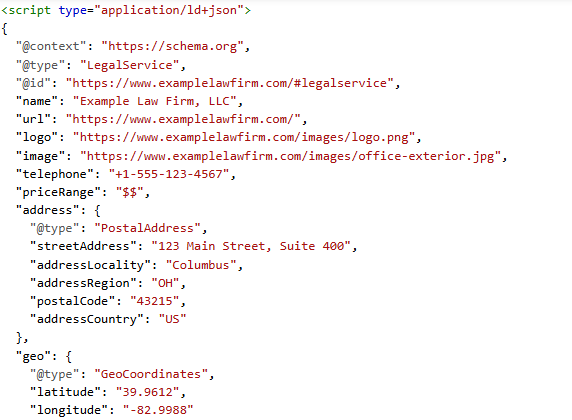
Consistent NAP (Name, Address, Phone) information remains foundational, but in 2026 technical optimization goes deeper into structured data, site performance, and voice search readiness.LocalBusiness Schema
Interaction to Next Paint
Interaction to Next Paint (INP) has replaced First Input Delay as Google’s primary responsiveness metric within Core Web Vitals, and it is one of the top performance differentiators in local SEO for 2026. INP measures how quickly your website responds to user interactions throughout an entire visit. Sites with INP scores above 500 milliseconds are classified as “poor” and often see suppressed rankings. For law firms, a slow, unresponsive mobile site experience negatively impacts Map Pack rankings faster than many other factors. Prioritize reducing JavaScript execution time, optimizing third-party scripts, and ensuring interactive elements respond within 200 milliseconds.Voice Search Readiness